Relevance
Ovid's Metamorphoses is the most important single source of Greek and Roman myth for later writers and artists. Anyone who reads folklore, mythology or the retelling of old stories is reading in its long wake.
Historical voices
43 BC – AD 17/18
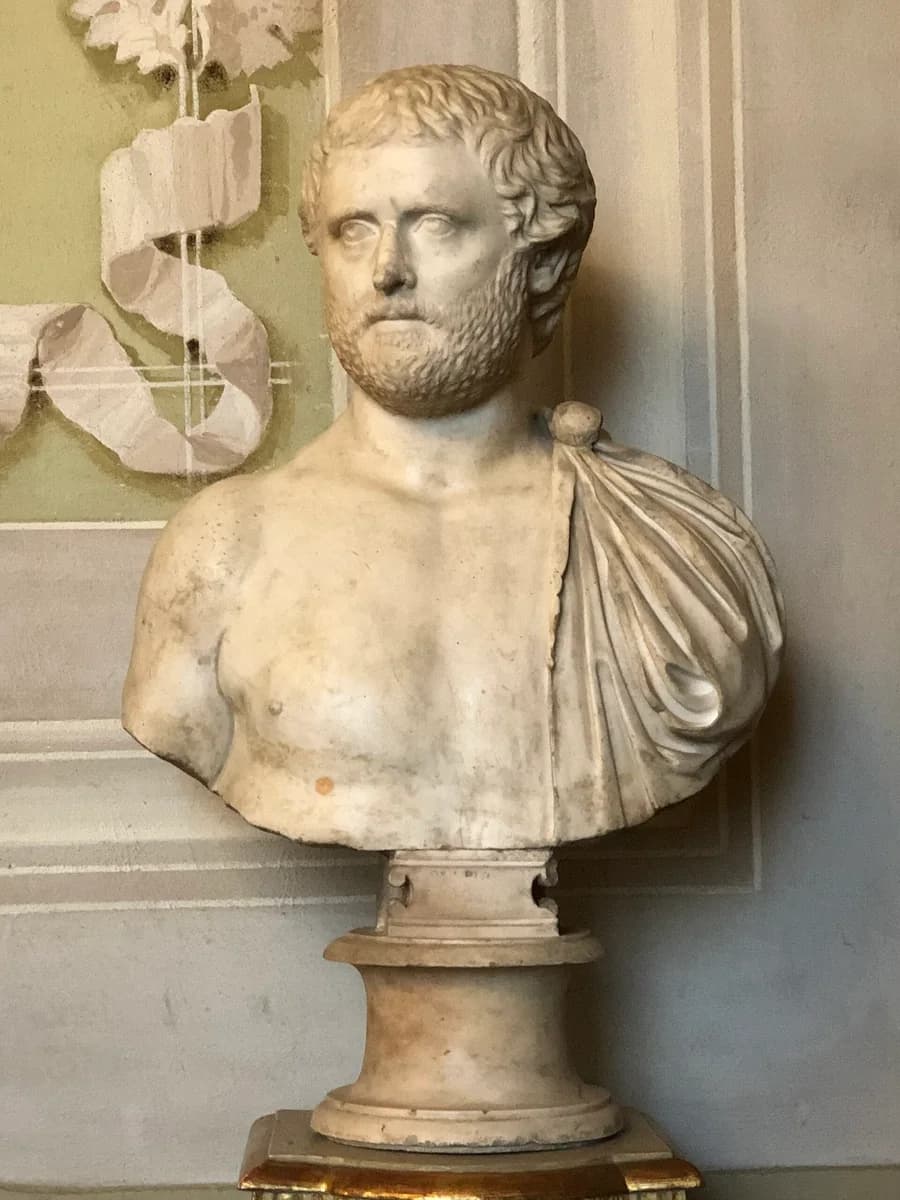
The Roman poet of the Metamorphoses, and the most-read source of classical myth.
A reference author. Valice Press has no connection with Ovid, their publishers or their estate. Ovid appears here as part of the reading context around the shelf.
Biography
Publius Ovidius Naso was born in Sulmo, east of Rome, into an equestrian family. He wrote love poetry in elegiac couplets for the first twenty-five years of his career, and was famous and popular in his lifetime: a younger contemporary of Virgil and Horace, and later ranked with them among the three canonical poets of Latin literature.
In AD 8, soon after he completed the Metamorphoses, the emperor Augustus banished him to Tomis on the Black Sea. Ovid blamed "a poem and a mistake" and never explained the mistake; scholars have been guessing ever since. He spent the last nine or ten years of his life there, writing the poems of exile.
Works
Timeline
43 BC
Born at Sulmo on 20 March, the year Cicero was killed.
25 BC
Gave his first public recitation, aged eighteen.
AD 2
About the date of the Ars Amatoria, the poem that may have counted against him later.
AD 8
Finished the Metamorphoses and was banished by Augustus to Tomis, without a trial or a decision of the Senate.
AD 9–12
Wrote the five books of Tristia in exile, pleading to be recalled to Rome.
AD 17/18
Died at Tomis, still in exile.
Why they are here
Ovid's Metamorphoses is the most important single source of Greek and Roman myth for later writers and artists. Anyone who reads folklore, mythology or the retelling of old stories is reading in its long wake.
His poetry was imitated through Late Antiquity and the Middle Ages and has shaped Western art and literature since, from Dante to Shakespeare to every modern retelling of Greek myth.
Nearby on the shelf
These are Valice Press titles from the same part of the library. They are not by Ovid, and they are not a recommendation on Ovid’s behalf — only the same shelf.
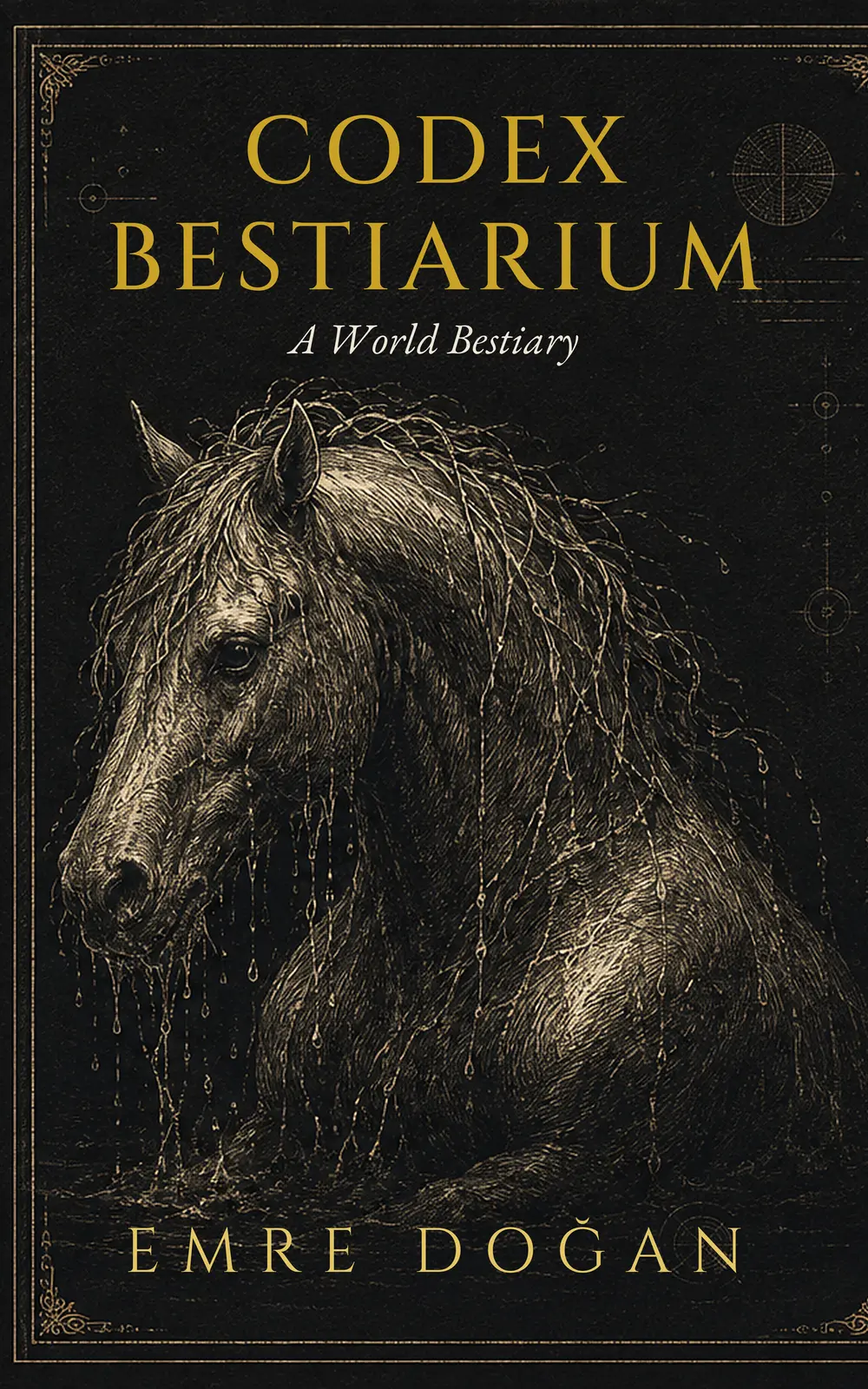
A World Bestiary: 112 Legendary Creatures from 40 Traditions — Beasts, Spirits, and Guardians of World Folklore
Emre Doğan
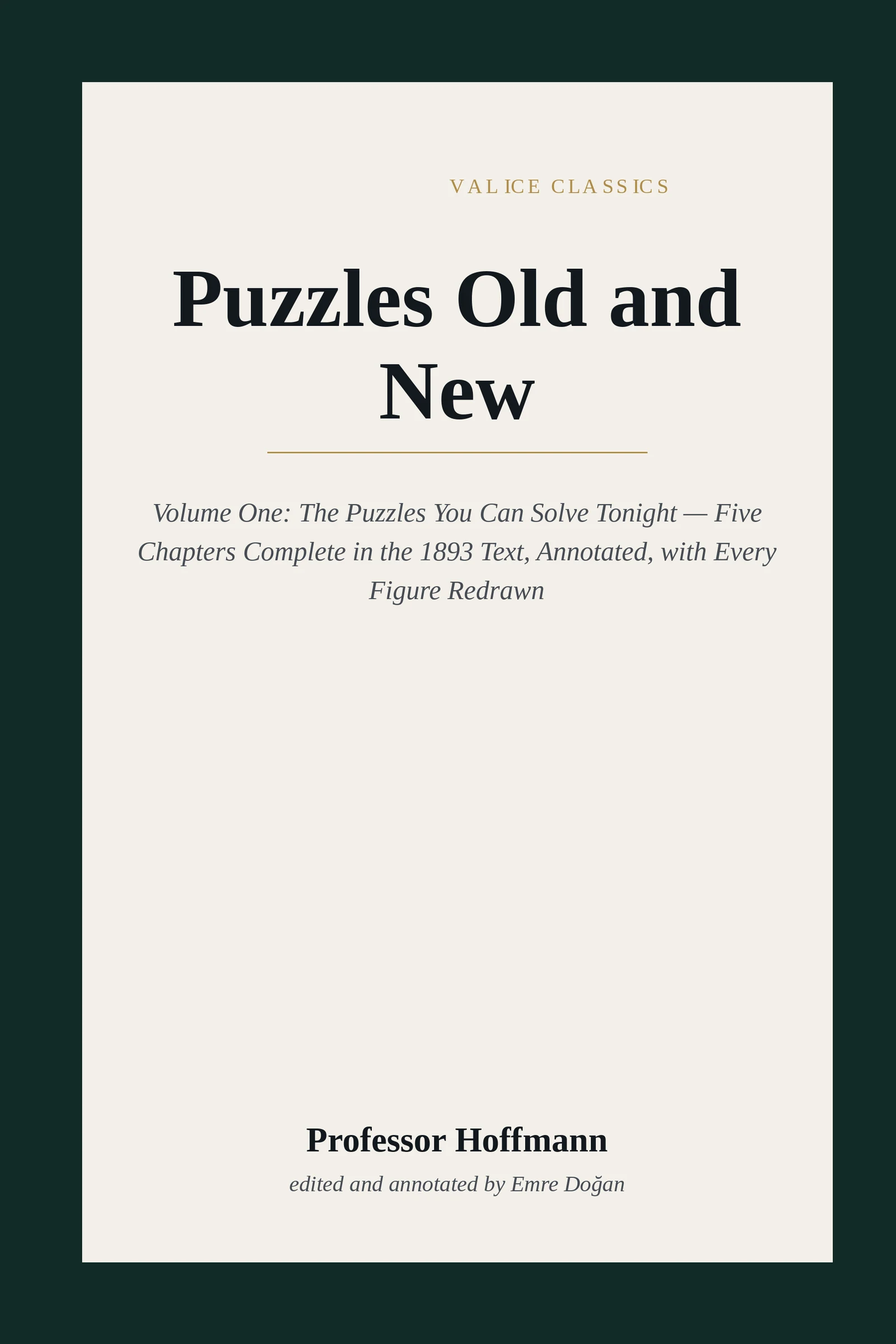
Volume One: The Puzzles You Can Solve Tonight — Five Chapters Complete in the 1893 Text, Annotated, with Every Figure Redrawn
Emre Doğan
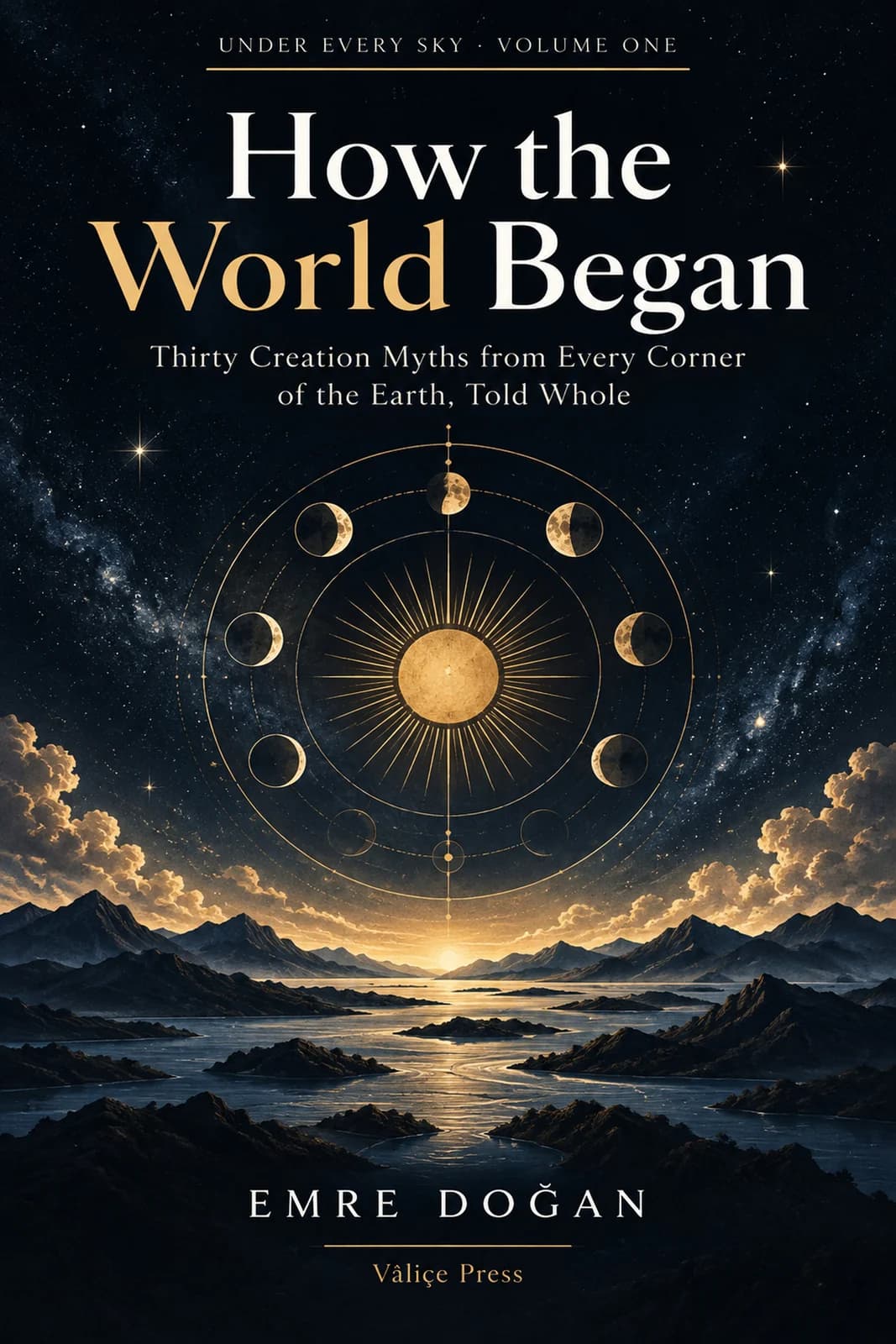
Thirty Creation Myths from Every Corner of the Earth, Told Whole
Emre Doğan
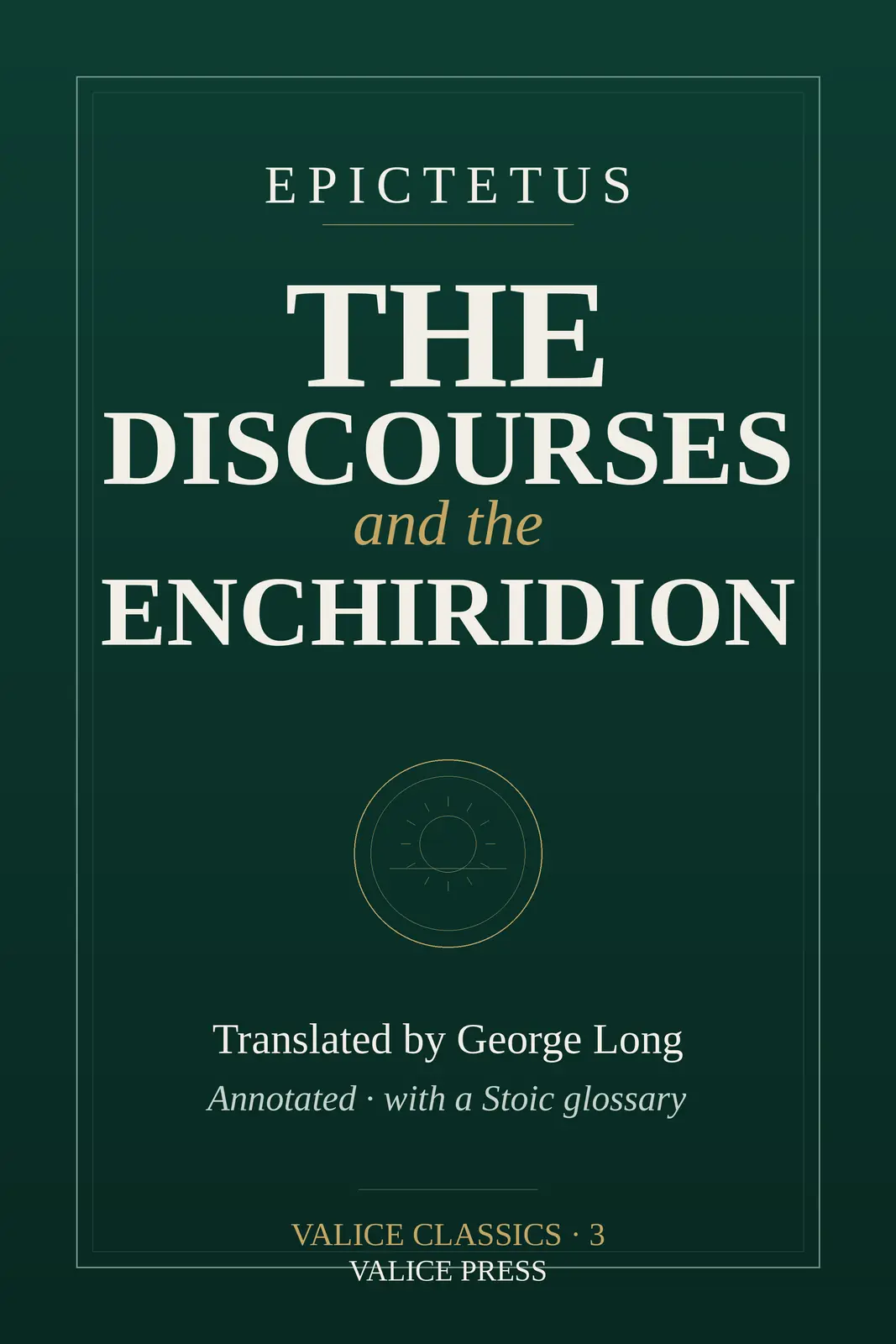
The George Long Translation, Annotated — the Complete Enchiridion, 68 Discourses in Seven Thematic Parts, 120 Head-Notes, a Stoic Glossary and a Concordance to the Meditations
Emre Doğan
Related authors
Sources
Everything on this page about Ovid is written from these sources, not from memory. Their dates and key claims were checked against the sources on 8 October 2026.The life dates are compared across Wikidata and the Library of Congress’s authority records.