Relevance
The Meditations were never meant for readers: they are a Stoic's private notes on duty, impermanence and self-command, set down during years of war. They remain among the most widely read works of ancient philosophy.
Historical voicesOn the Valice list
121–180
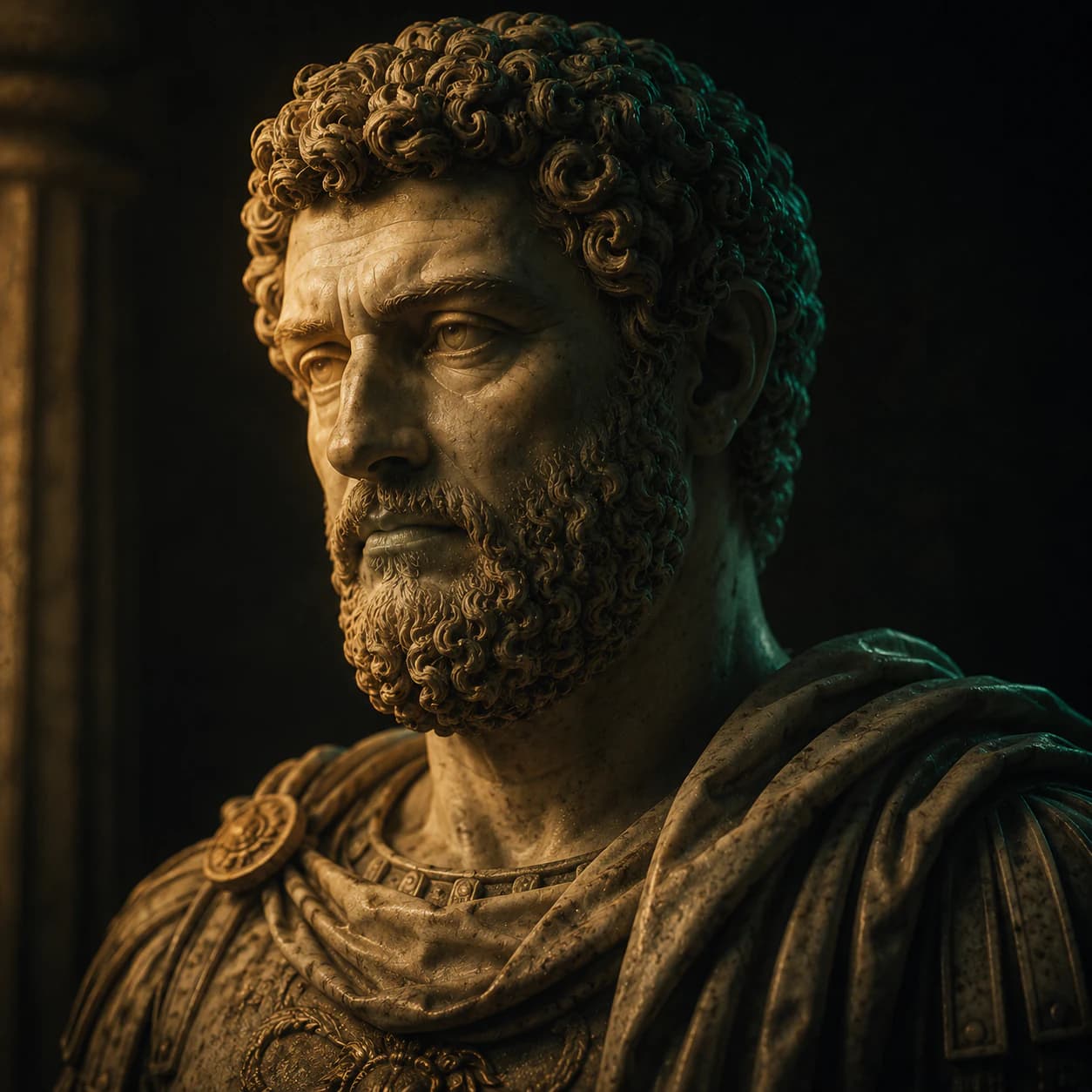
The last of the Five Good Emperors, and the Stoic who wrote the Meditations for himself.
On the Valice list. One title published by Valice Press carries Marcus Aurelius’s work; it is below.
Biography
Roman emperor from 161 to 180 and a Stoic. The twelve books collected as Meditations were written in Greek, for himself, and were never intended to be read by anyone else.
Works
Timeline
138
Adopted by Antoninus Pius, who had himself just been adopted as Hadrian's heir, and so became heir to the throne in turn.
145
Married Faustina, the daughter of Antoninus Pius.
161
Became emperor on Antoninus's death, sharing the throne with his adoptive brother Lucius Verus.
165
The Antonine Plague began, in or about this year, and devastated the population of the empire.
166
Named his son Commodus Caesar; the Marcomannic Wars on the Danube frontier took up most of the rest of his reign.
177
Made Commodus joint ruler.
180
Died at 58 in his military quarters on the Danube frontier; Commodus succeeded him.
Why they are here
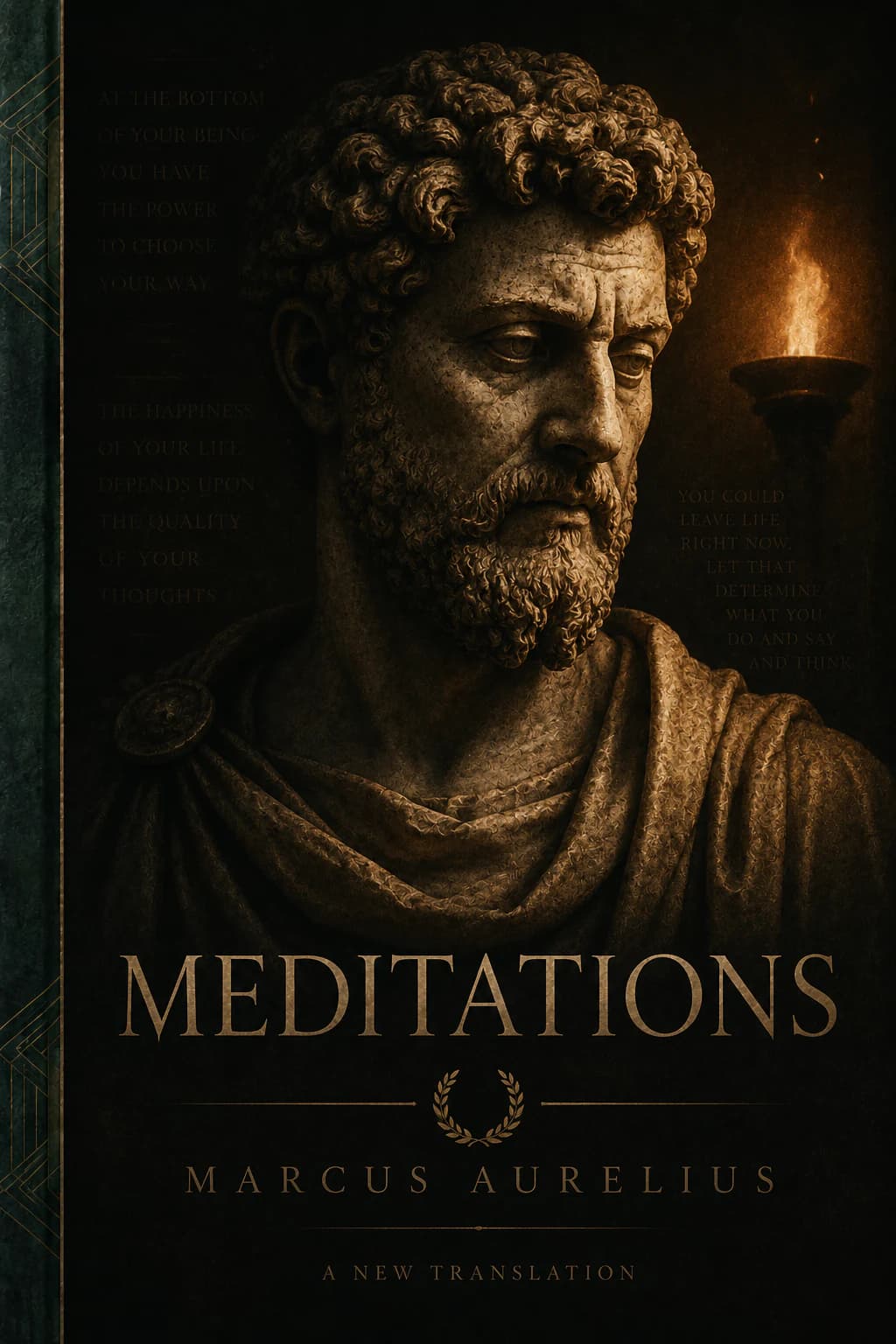
The Meditations were never meant for readers: they are a Stoic's private notes on duty, impermanence and self-command, set down during years of war. They remain among the most widely read works of ancient philosophy.
His reign closed the age of the Five Good Emperors and the Pax Romana, and his column and equestrian statue still stand in Rome. As a philosopher he is remembered through a book he did not publish.
On the Valice list
These are titles by or of Marcus Aurelius.
Nearby on the shelf
These are Valice Press titles from the same part of the library. They are not by Marcus Aurelius, and they are not a recommendation on Marcus Aurelius’s behalf — only the same shelf.
Volume One: The Puzzles You Can Solve Tonight — Five Chapters Complete in the 1893 Text, Annotated, with Every Figure Redrawn
Emre Doğan
The George Long Translation, Annotated — the Complete Enchiridion, 68 Discourses in Seven Thematic Parts, 120 Head-Notes, a Stoic Glossary and a Concordance to the Meditations
Emre Doğan

Edward Falkener's 1892 Reconstruction, Annotated — with Dr Samuel Birch's 1864 Paper, a Register of Reconstructions, Five Original Diagrams and the Move Tables Rebuilt from the Scan
Emre Doğan
Volume One: The Vedic Gods — 5 Chapters Complete in the 1913 Text, Annotated, with a Register Grading the Author's Comparisons and a Who's-Who of 32 Figures with Verified Chapter References
Emre Doğan
Related authors
Sources
Everything on this page about Marcus Aurelius is written from these sources, not from memory. Their dates and key claims were checked against the sources on 8 October 2026.The life dates are compared across Wikidata and the Library of Congress’s authority records.