Relevance
Gardner is the doyen of American puzzlers. His column made recreational mathematics a mainstream interest for the second half of the twentieth century, and his annotated Alice is the standard way into Lewis Carroll's logic and wordplay.
Games & puzzles
1914–2010
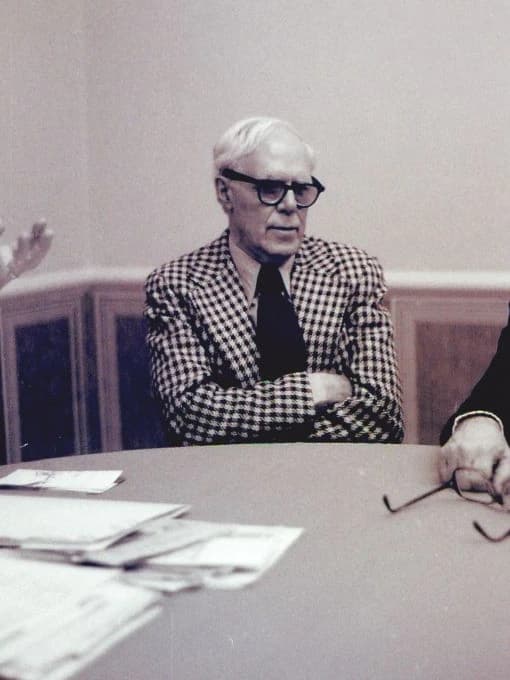
The writer who made recreational mathematics popular, through his "Mathematical Games" column.
A reference author. Valice Press has no connection with Martin Gardner, their publishers or their estate. Martin Gardner appears here as part of the reading context around the shelf.
Biography
Martin Gardner was born in Tulsa and studied philosophy at the University of Chicago, graduating in 1936. He never took a mathematics course after high school; he came to the subject as a writer, editor and amateur magician, and that is part of why he explained it so well.
In 1956 a free-standing article on hexaflexagons in Scientific American led to a regular column, "Mathematical Games", which ran for twenty-five years and brought puzzles, paradoxes and new mathematics to a general audience. He published more than a hundred books, and was also a leading sceptic of pseudoscience and a leading authority on Lewis Carroll.
Works
Timeline
1936
Took his bachelor's degree in philosophy at the University of Chicago.
1952
Published his first book, In the Name of Science, an enlargement of a 1950 Antioch Review article.
1956
A hexaflexagon article in the December issue of Scientific American began the "Mathematical Games" column.
1957
Fads and Fallacies in the Name of Science was published.
1976
Joined fellow sceptics to found CSICOP, an organisation for testing extraordinary claims.
1986
The June issue carried the last instalment of the column under its original title.
2010
Died at 95.
Why they are here
Gardner is the doyen of American puzzlers. His column made recreational mathematics a mainstream interest for the second half of the twentieth century, and his annotated Alice is the standard way into Lewis Carroll's logic and wordplay.
His admirers included W. H. Auden, Arthur C. Clarke, Carl Sagan, Isaac Asimov and Richard Dawkins, and a whole community of puzzle-makers meets every two years in his memory.
Nearby on the shelf
These are Valice Press titles from the same part of the library. They are not by Martin Gardner, and they are not a recommendation on Martin Gardner’s behalf — only the same shelf.
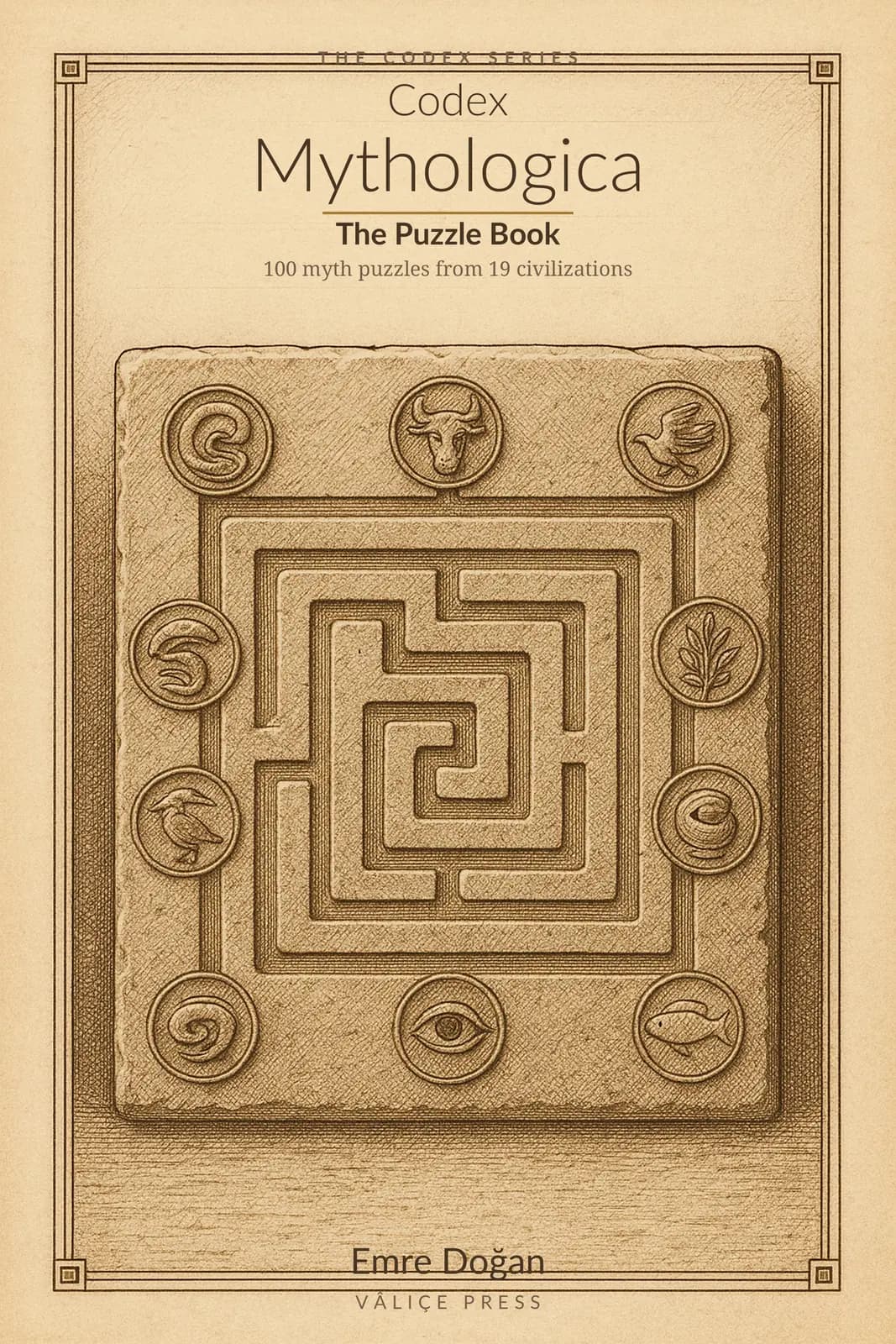
100 Myth Puzzles from 19 Civilizations
Emre Doğan
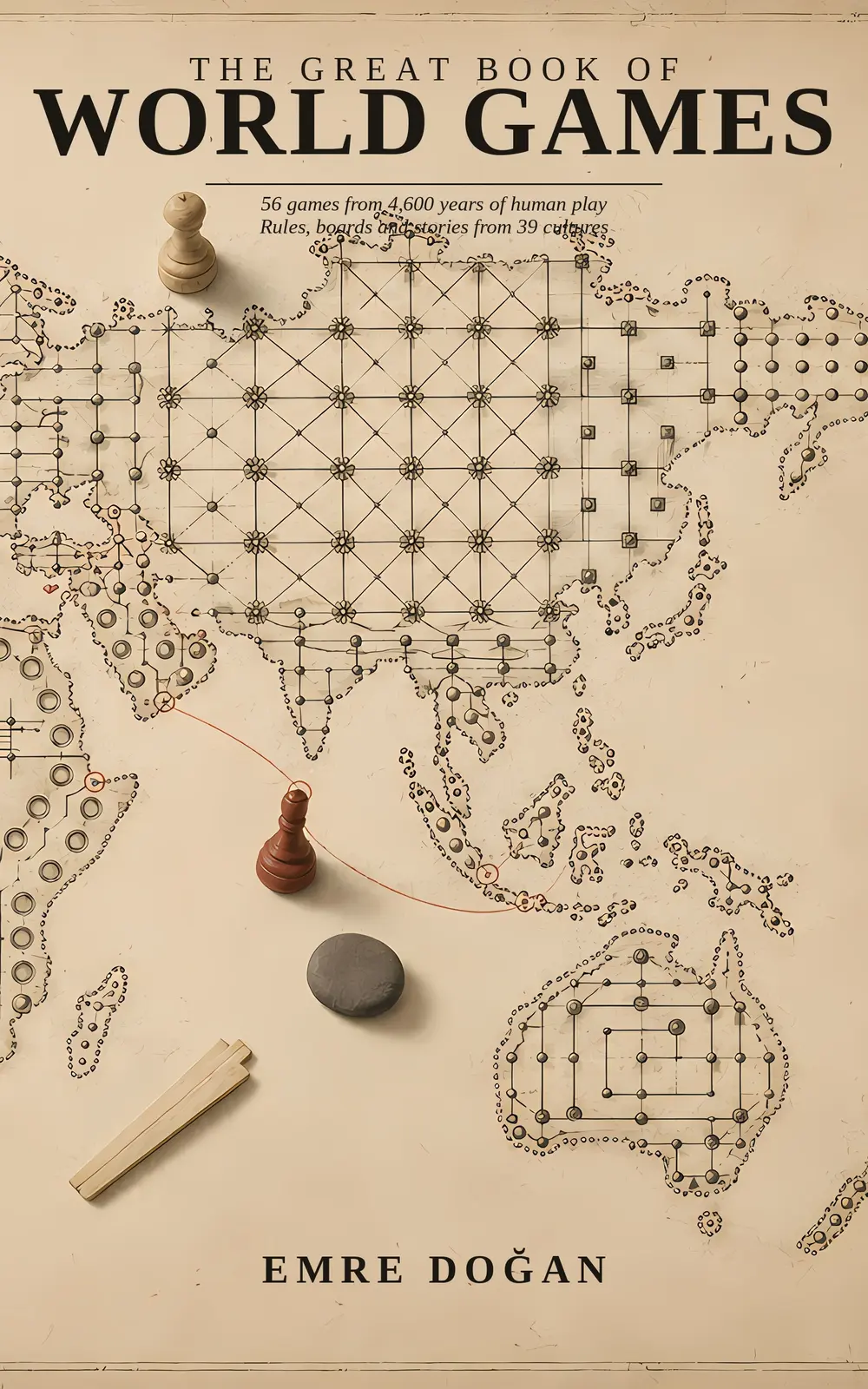
63 Games from 5,000 Years of Human Play — Rules, Boards and Stories from 42 Cultures, Ready to Play Tonight
Emre Doğan
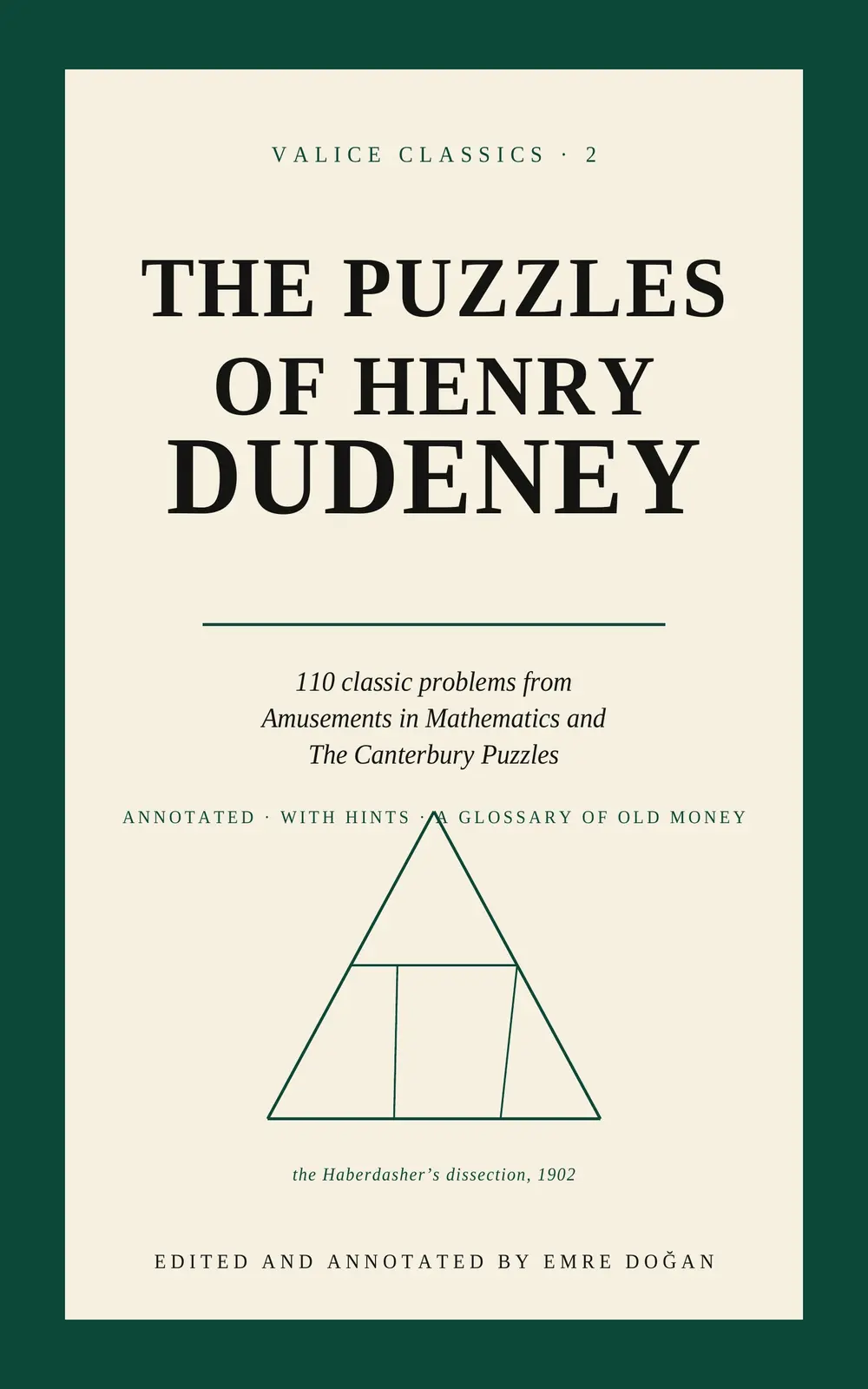
110 Classic Problems from Amusements in Mathematics and The Canterbury Puzzles — Annotated, with Hints, a Glossary of Old Money and a Chronology
Henry E. Dudeney, Emre Doğan
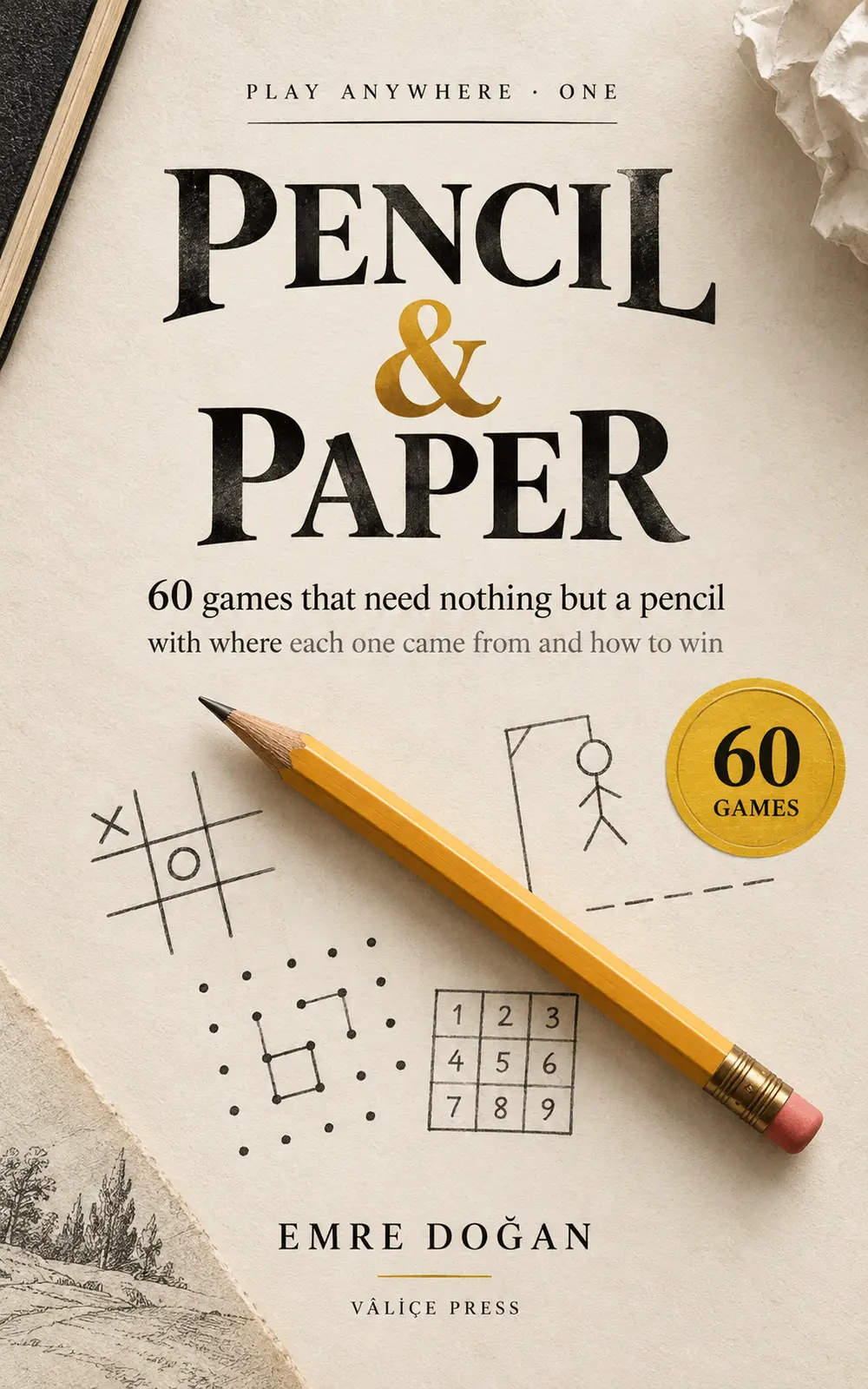
60 Games That Need Nothing but a Pencil — with Where Each One Came From and How to Win
Emre Doğan
Related authors
Sources
Everything on this page about Martin Gardner is written from these sources, not from memory. Their dates and key claims were checked against the sources on 8 October 2026.The life dates are compared across Wikidata and the Library of Congress’s authority records.