Skip to content
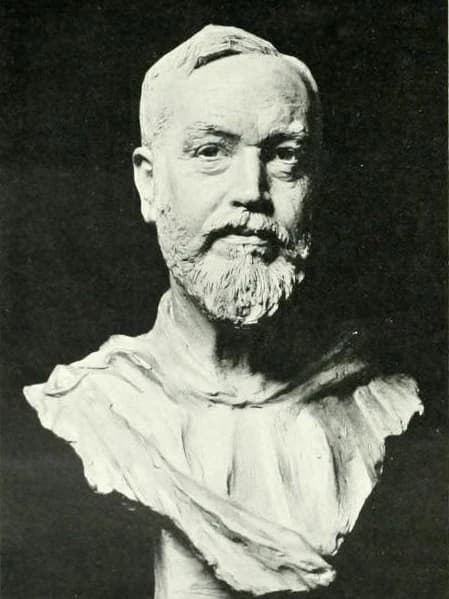
Plaster bust of T. H. Thomas by Sir William Goscombe John, shown at the Royal Academy in 1903
Bust by Sir William Goscombe John, Royal Academy 1903 · reproduced in Royal Academy Pictures 1903 · public domain · Wikimedia Commons

Historical voicesOn the Valice list

T. H. Thomas

1839–1915

Welsh artist and antiquary of Cardiff, and a founder of the National Museum of Wales.

Born
31 March 1839 · Pontypool, Wales
Died
5 July 1915 · Cardiff, Wales
Nationality
Welsh
  • Welsh art
  • illustration
  • antiquarianism
  • Cardiff

On the Valice list. One title published by Valice Press carries T. H. Thomas’s work; it is below.

Biography

The life, briefly

Welsh artist and antiquary (1839–1915), known in Wales by the bardic name Arlunydd Penygarn. He settled in Cardiff in 1866, worked for the Daily Graphic, helped found the Royal Cambrian Academy, and was a leading force behind the founding of the National Museum of Wales, to which his thousand-odd prints, drawings and watercolours went after his death. His twenty-one drawings for British Goblins are the only illustrations the book has, and he is the only other person named on its title page.

Works

Major works

  1. c. 1879Sackcloth and Ashes: Tip Girls Leaving Worknow at Cyfarthfa Castle Museum
  2. 1890Gannet Settlement on Grassholm, West of MilfordNational Museum Cardiff

Timeline

Turning points

  1. 1861

    Returned to London from Paris and Rome to work as a painter and illustrator.

  2. 1866

    Settled in Cardiff, where his father had retired.

  3. 1880

    Inherited his father's house on The Walk, which became a place of intellectual discussion in the town.

  4. 1881

    The Royal Cambrian Academy of Art, of which he became a Fellow, was established.

  5. 1915

    Died in Cardiff; his more than a thousand prints, drawings and watercolours went to the National Museum of Wales under his will.

Why they are here

T. H. Thomas and the shelf

Relevance

Thomas trained as a painter, worked as an illustrator for the Daily Graphic, and was equally interested in botany, geology, history and archaeology, which were often the subjects of his art. His drawings are the only illustrations in Wirt Sikes's British Goblins.

Influence

He was a leading force behind the founding of the National Museum of Wales and in the use of the red dragon as the symbol of Wales. A dinosaur footprint he discovered was named Brontozoum thomasii in his honour.

On the Valice list

The title we publish

Nearby on the shelf

If you read this, you might look here

Sources

Where this comes from

Everything on this page about T. H. Thomas is written from these sources, not from memory. Their dates and key claims were checked against the sources on 8 October 2026.The life dates are compared across Wikidata and the Library of Congress’s authority records.